
In modern gardening design, PVC plant stands have emerged as an ideal bridge between plants and space, thanks to their unique material advantages and flexible styling. They are not just supports for plant growth but also key elements in enhancing environmental beauty, suitable for diverse scenarios from residential to commercial settings.
Material and Performance: The Perfect Balance of Durability and Lightweight
PVC plant stands are crafted from high-molecular polyvinyl chloride composite materials, using a hollow micro-foaming process to achieve “lightweight strength.” Their dense surface layer resists mold and insects, eliminating the need for regular maintenance like wooden stands, and they remain mildew-free for over 5 years in humid environments. With added UV-resistant additives, they maintain color stability in strong sunlight and withstand temperature ranges from -30°C to 80°C. Weighing just one-third of iron stands, they are easy to transport and install, making them adaptable to small balconies or large courtyards.
Diverse Scenarios: From Home Greenery to Commercial Landmarks
The All-Rounder in Home Gardening
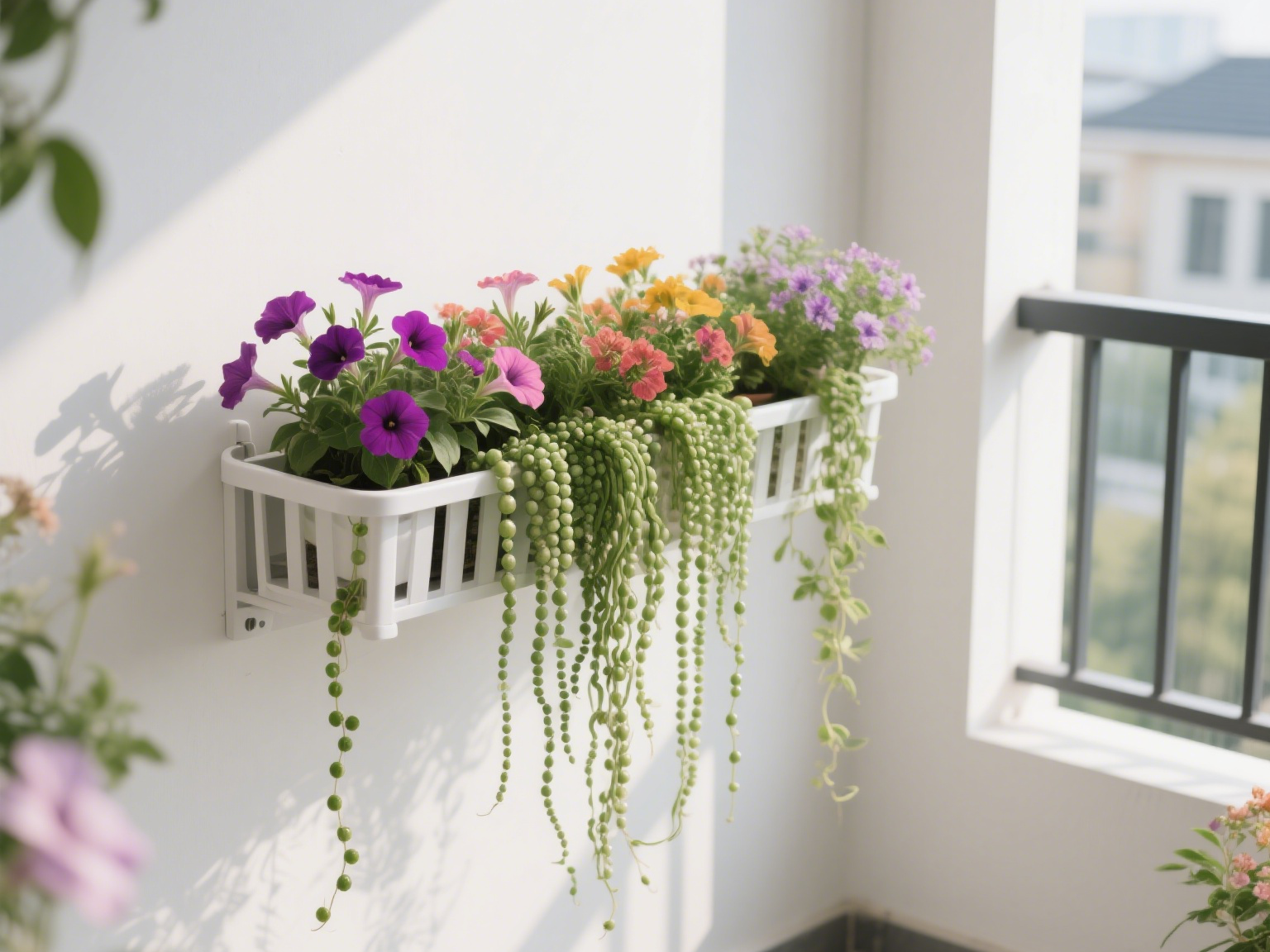
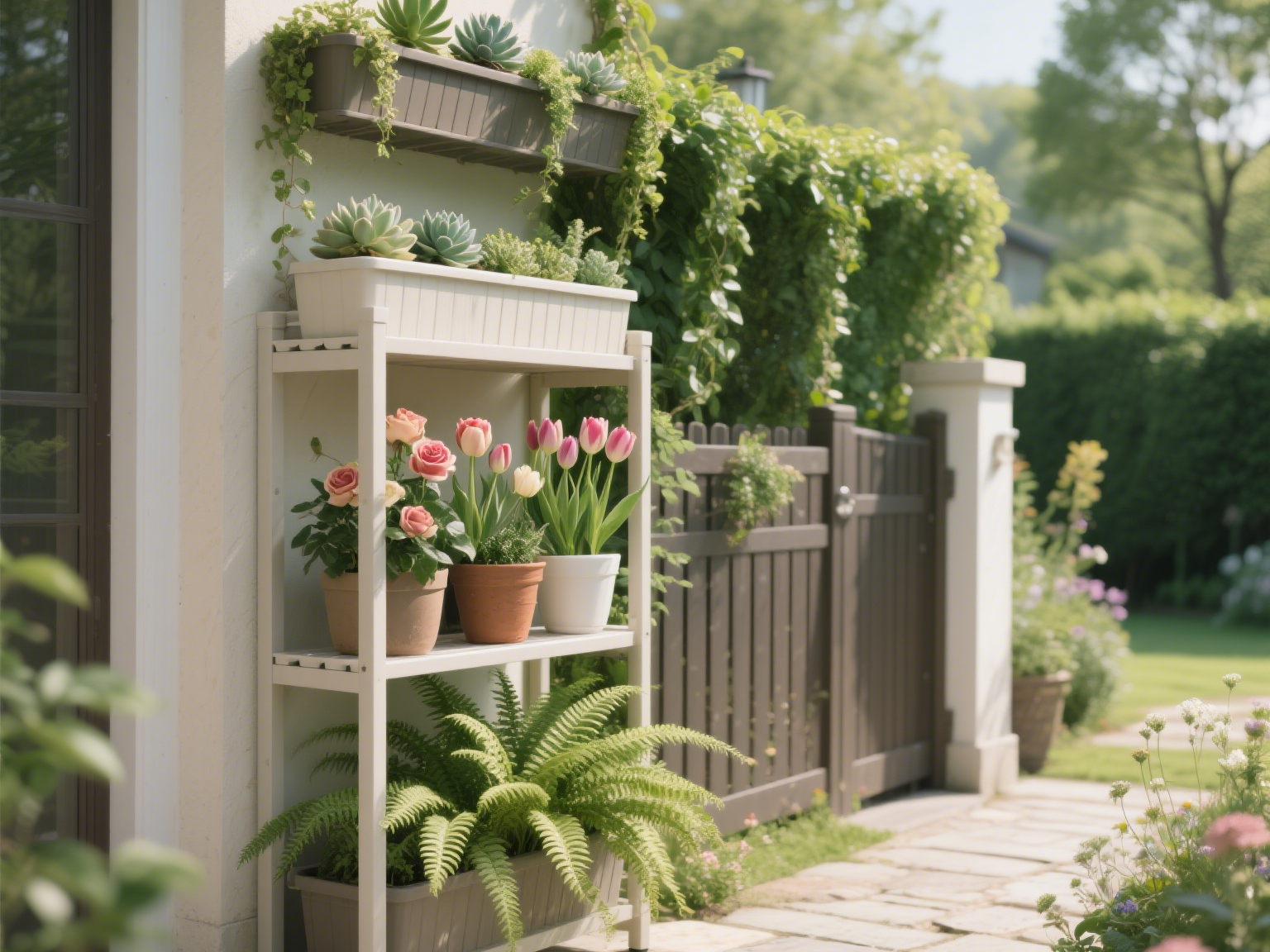
In balconies or windows, hanging PVC plant stands are ideal for creating “sky gardens”. Mounted on railing hooks without taking up floor space, they can grow trailing plants like petunias or string-of-pearls, forming cascading flower displays. In courtyards, floor-standing multi-tiered stands create vertical gardening systems: shade-loving ferns at the bottom, roses or tulips in the middle, and succulents at the top, optimizing light distribution by height. Combining stands with fences—such as adding planters to fence tops for climbing vines—creates natural green barriers that define space and enhance privacy.
The Traffic Magnet in Commercial Spaces
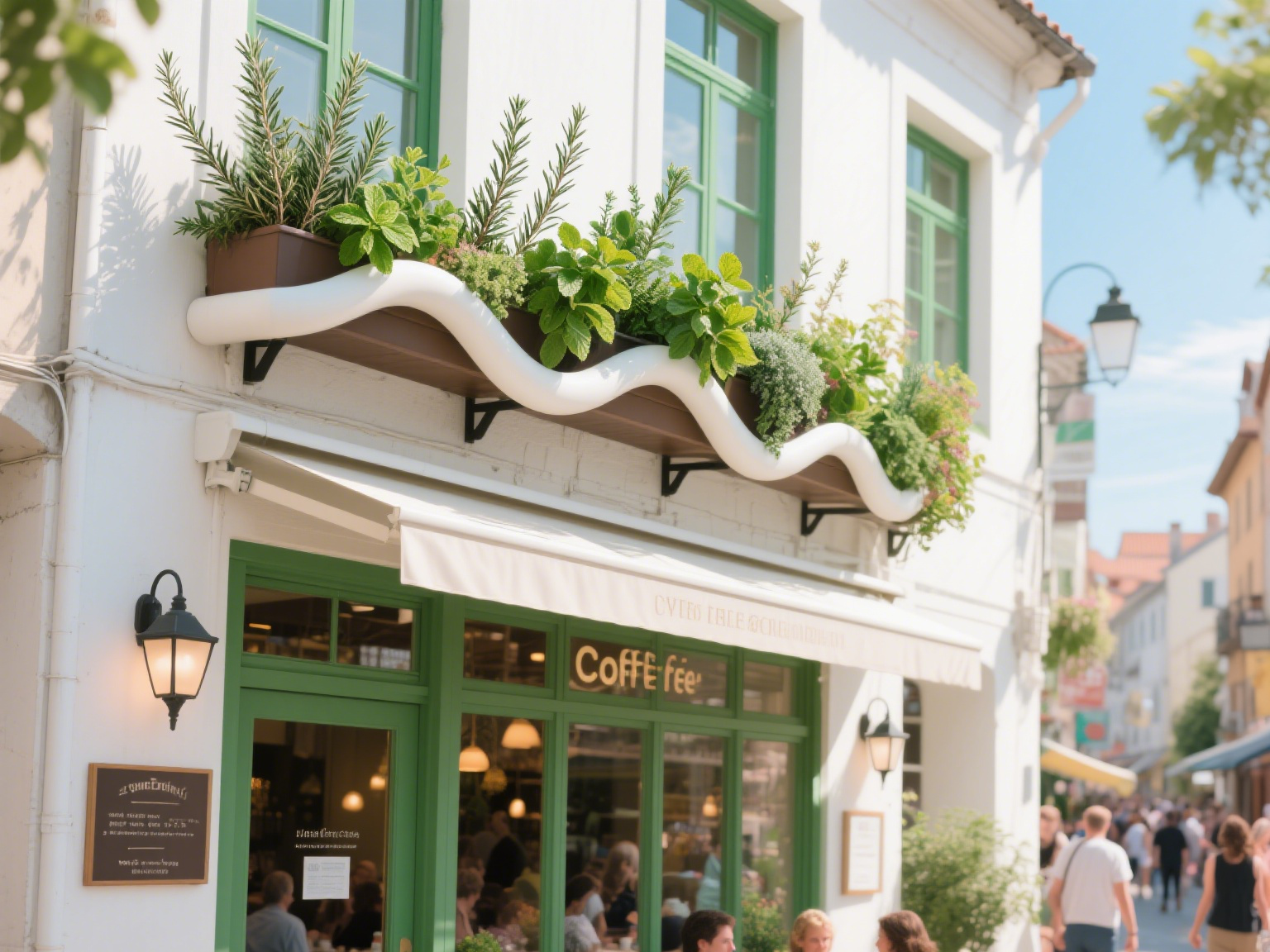
In commercial districts, PVC plant stands transform into eye-catching “ecological billboards.” A wavy stand on a café’s exterior filled with rosemary and mint allows customers to pick herbs freely, blending landscaping with functionality. In shopping mall atriums, giant cylindrical stands with automatic irrigation and LED lighting serve as vertical green pillars by day and light art installations by night. In office parks, fence-integrated plant stands with lavender and sage not only beautify the environment but also reduce noise, enhancing workplace comfort.
Styling and Design: Harmony of Style and Function
The Law of Color and Style Coordination
PVC plant stands offer a rich color palette: white or light wood tones for Nordic-style homes, dark gray or black for industrial spaces, and green or pink for pastoral aesthetics. Straight-line designs suit modern interiors, while bamboo-textured or carved models add elegance to traditional Chinese courtyards.
The Symbiosis of Plants and Stands
Climbing plants like ivy or wisteria thrive on grid stands (10-15cm spacing), forming green walls. Trailing plants like calibrachoa or ivy require hanging stands with ≥20cm depth to prevent soil spillage when watering. Succulents and herbs fit well on multi-tiered stands (30cm spacing) to accommodate different light needs. Stands can also double as “vertical vegetable gardens” by adding small pots to grow lettuce or strawberries, merging ornamentation with edibility.
Maintenance and Creativity: Keys to Long-Lasting Beauty
PVC plant stands are low-maintenance: an annual high-pressure water rinse with neutral detergent removes stains. In coastal or windy areas, regular checks on fasteners ensure longevity. Old stands can be revitalized with self-adhesive wood grain stickers or fluorescent paint. Adding hooks or shelves transforms them into “garden tool stations” or storage hubs, upgrading their functionality beyond planting.
PVC plant stands break the limitations of traditional gardening fixtures with their durability, flexibility, and aesthetic potential. Whether as a cozy green corner at home or a stunning ecological feature in commercial spaces, they elevate plants to the center of spatial design. Choosing a PVC plant stand means embracing a lifestyle in harmony with nature—no complicated upkeep, no environmental constraints, just free-growing plants and vibrant, lively spaces.