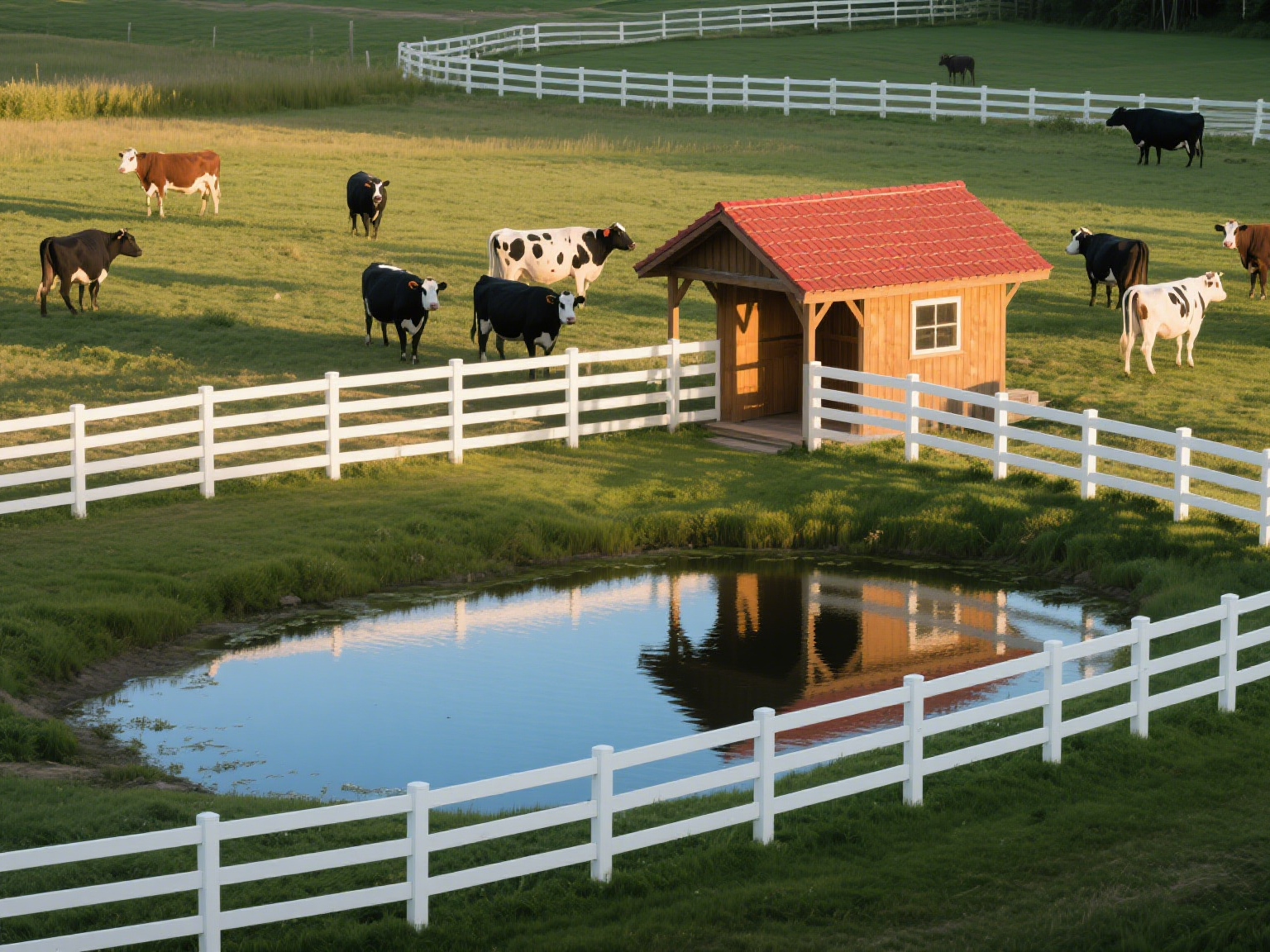
On the vast prairie of Alberta, Canada, Leo’s family runs a large ranch covering thousands of acres. The terrain here is open, and the four seasons are distinct. However, the long and severe winter has become a major challenge for the operation of the ranch. Every year, starting from November, the biting cold wind sweeps in with flurries of snow, and the temperature plummets to minus 30 degrees Celsius, sometimes even dropping to minus 40 degrees Celsius. This frigid weather lasts all the way until April of the following year.
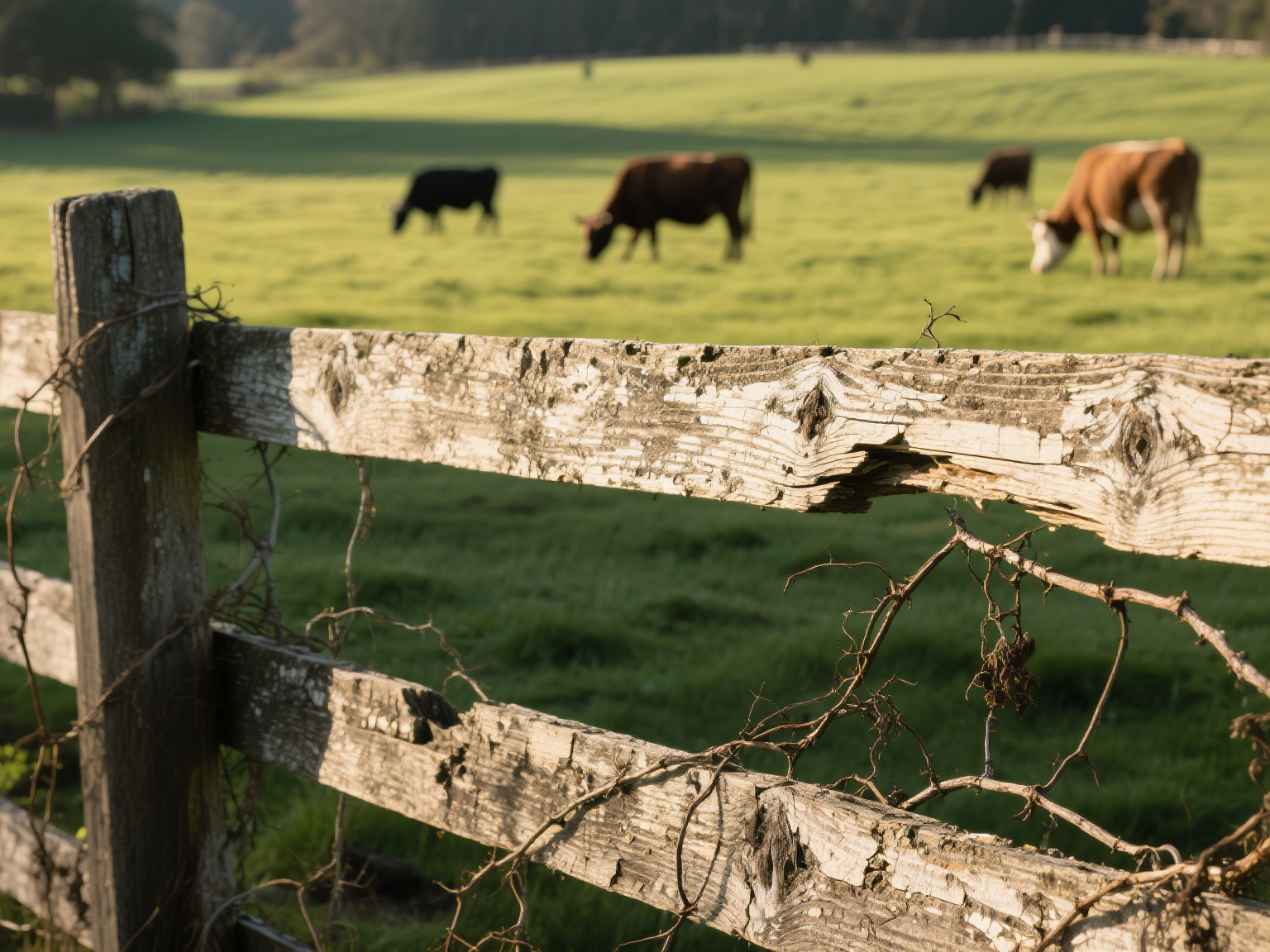
Over the past few decades, the ranch has been using traditional wooden fences. But whenever winter arrives, these wooden fences are as fragile as “pieces of paper.” The extremely low temperature causes the moisture in the wood to freeze rapidly, leading to the expansion and cracking of the wood fibers. The biting cold wind makes the situation even worse, constantly battering the fences. Many of the fence posts are blown askew, and a large number of the horizontal rails are broken. Although metal fences are somewhat better in terms of sturdiness, in the humid environment, they quickly rust and corrode. The originally shiny metal surface becomes covered with rust, and the structural strength is greatly reduced.
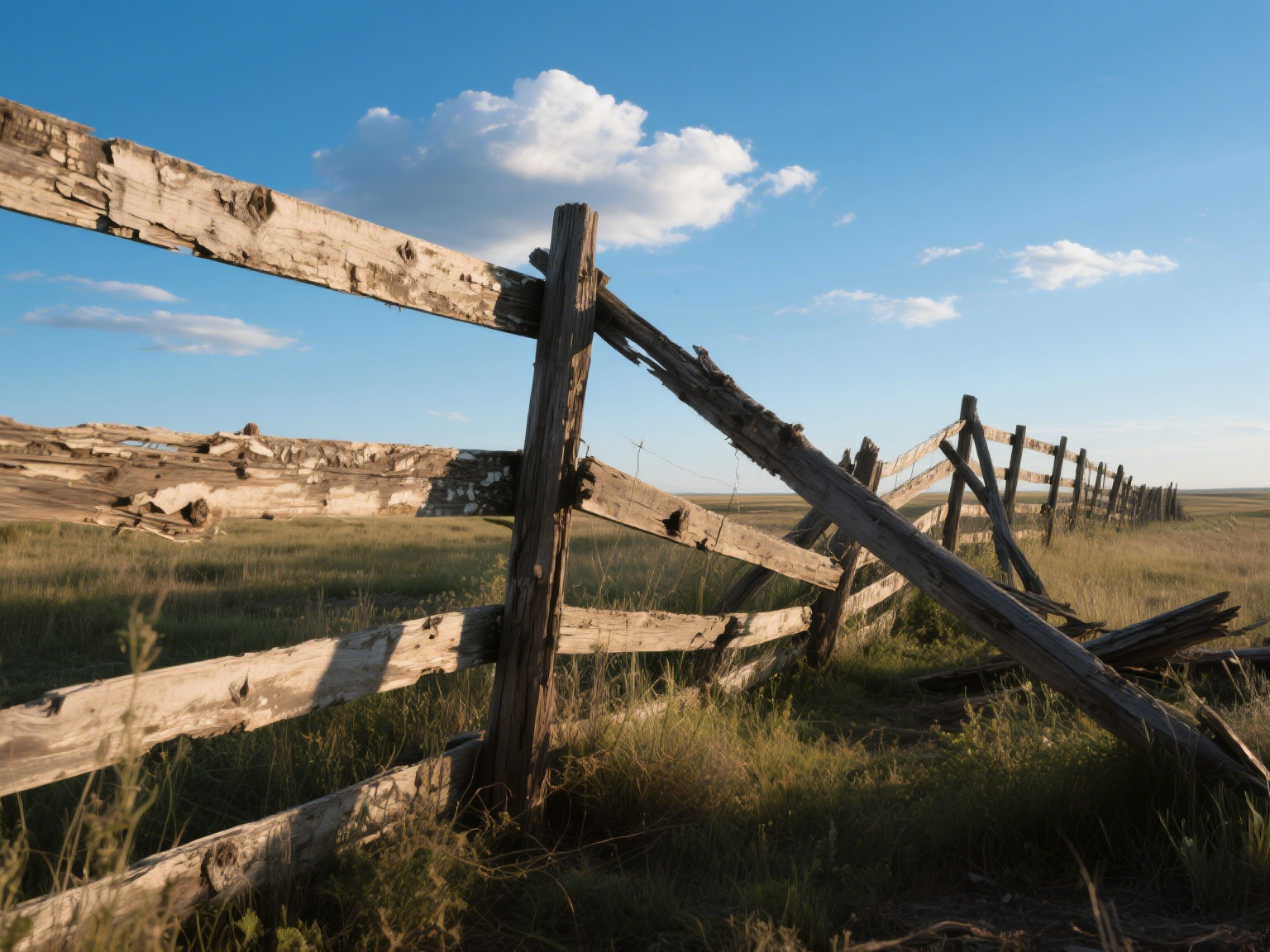
The frequent damage to the fences has made the ranch workers miserable. Every winter, they have to brave the cold and repeatedly shuttle through the vast ranch to repair and replace the fences. Sometimes, after a blizzard, the fences that need to be repaired stretch for several kilometers. The repair work not only consumes a great deal of manpower but also requires the purchase of a large amount of wood and metal materials, which significantly increases the operation cost of the ranch. What worries Leo’s family even more is that when the fences are damaged, the livestock often run away. Once, a dozen cows took advantage of the broken fences and ran into the wilderness several kilometers away. The ranch dispatched all its staff, and it took a full two days to retrieve them. During this period, there was a risk of injury or death to the livestock, which undoubtedly brought huge economic losses to the ranch and also exhausted the staff.
To solve this long-standing problem, Mr. Leo led his team to carry out a great deal of research. They visited many neighboring ranches to learn about the use of fences by other ranchers; consulted a large amount of information to compare the performance of fences made of different materials; and participated in several agricultural equipment exhibitions to communicate with numerous suppliers. While visiting, researching, and attending the exhibitions, Mr. Leo also turned his attention to the Internet, hoping to find more comprehensive product information and solutions online. He entered keywords such as “ranching fences in extremely cold regions of Canada” and “materials for cold-resistant ranch fences” in the search engine and browsed a large number of web pages and product introductions.
Among the numerous search results, our company’s official website caught Mr. Leo’s attention with its detailed product descriptions and rich case displays. He carefully examined the performance test reports of the PVC fences in low-temperature environments. The pictures of the fences remaining intact at minus 40 degrees Celsius made him excited. However, Mr. Leo remained cautious, considering that ordering PVC fences for the entire ranch was no small matter. Therefore, as a prudent measure, he opened several industry forums and searched for evaluations of our company’s products. He found that many users highly praised the product quality and after-sales service, which further increased his interest.
Subsequently, Mr. Leo used the online customer service function on the official website to get in touch with me. He elaborated on the area of the ranch, the climate conditions, the problems with the previous fences, and the requirements for the new fences. I patiently answered his questions and, based on the actual situation of the ranch, recommended the most suitable fence models and specifications. Through emails and video conferences, we had several in-depth discussions on details such as the material properties, installation methods, prices, and delivery cycles of the fences.
To ensure everything was perfect, Mr. Leo also requested product samples from us. After receiving the samples, he and his team conducted a series of tests, including impact resistance tests and wear resistance tests in low-temperature environments. The excellent performance of the samples greatly satisfied him. Finally, after nearly a month of online communication and negotiation, Mr. Leo signed a purchase contract with us and paid the advance payment. When he saw the order confirmation email, Mr. Leo let out a sigh of relief and eagerly anticipated the changes that the cold-resistant PVC fences would bring to the ranch.
The cold-resistant PVC fences ordered by Leo adopt a special formula and production process. Even in the extremely low temperature of minus 40 degrees Celsius, they can maintain good toughness and strength. The fence posts and horizontal rails are thickened, and an anti-ultraviolet coating is added to the surface. Not only can it withstand the severe cold, but it can also effectively prevent the erosion of ultraviolet rays and extend the service life. The height of the fence is set at 1.5 meters, and the spacing is evenly reasonable, which can not only prevent small wild animals from getting in but also effectively enclose the livestock.
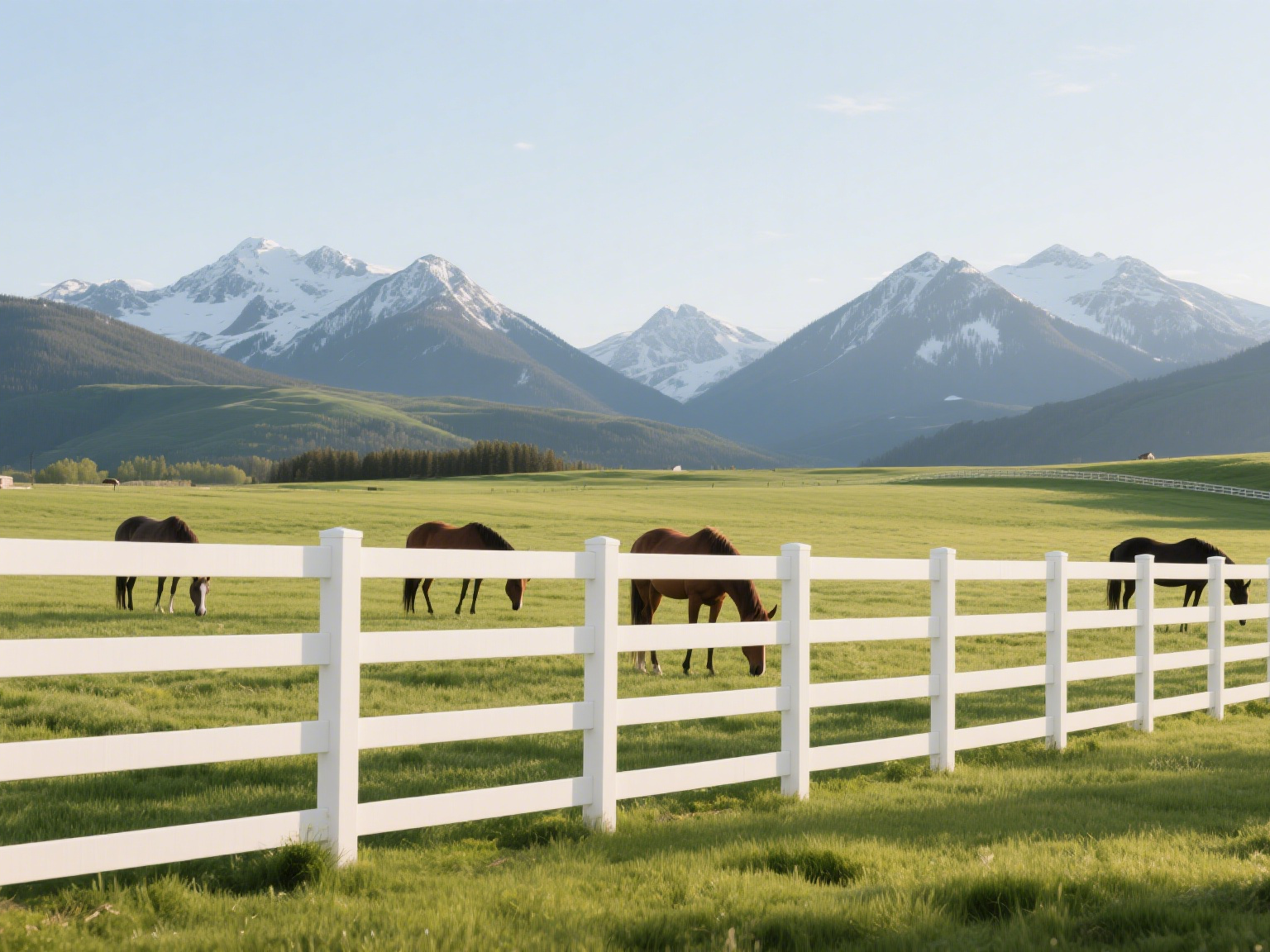
As winter came again, the PVC fences faced a severe test. Blizzard after blizzard hit, but the fences stood firm. Even when the fences were covered with a thick layer of snow, there was no deformation or cracking. Every day, Mr. Leo would drive around the ranch. Looking at the sturdy PVC fences, he felt a deep sense of relief. He said excitedly, “This winter, I don’t have to worry about the fence problems anymore! The PVC fences not only withstood the severe cold but also greatly reduced the maintenance workload, allowing us to devote more energy to the operation of the ranch. Moreover, since these fences were installed, there have been no more cases of livestock running away. This is really crucial for us!” Now, under the protection of the PVC fences, Leo’s family ranch operates more smoothly. It has also attracted more and more neighboring ranchers to visit and learn. Everyone praises this amazing fence.