
Although PVC fences offer numerous advantages, mastering proper maintenance and usage techniques is essential to keep them in optimal condition and ensure they serve their purpose effectively over time.
I. Meticulous Maintenance for Optimal Performance
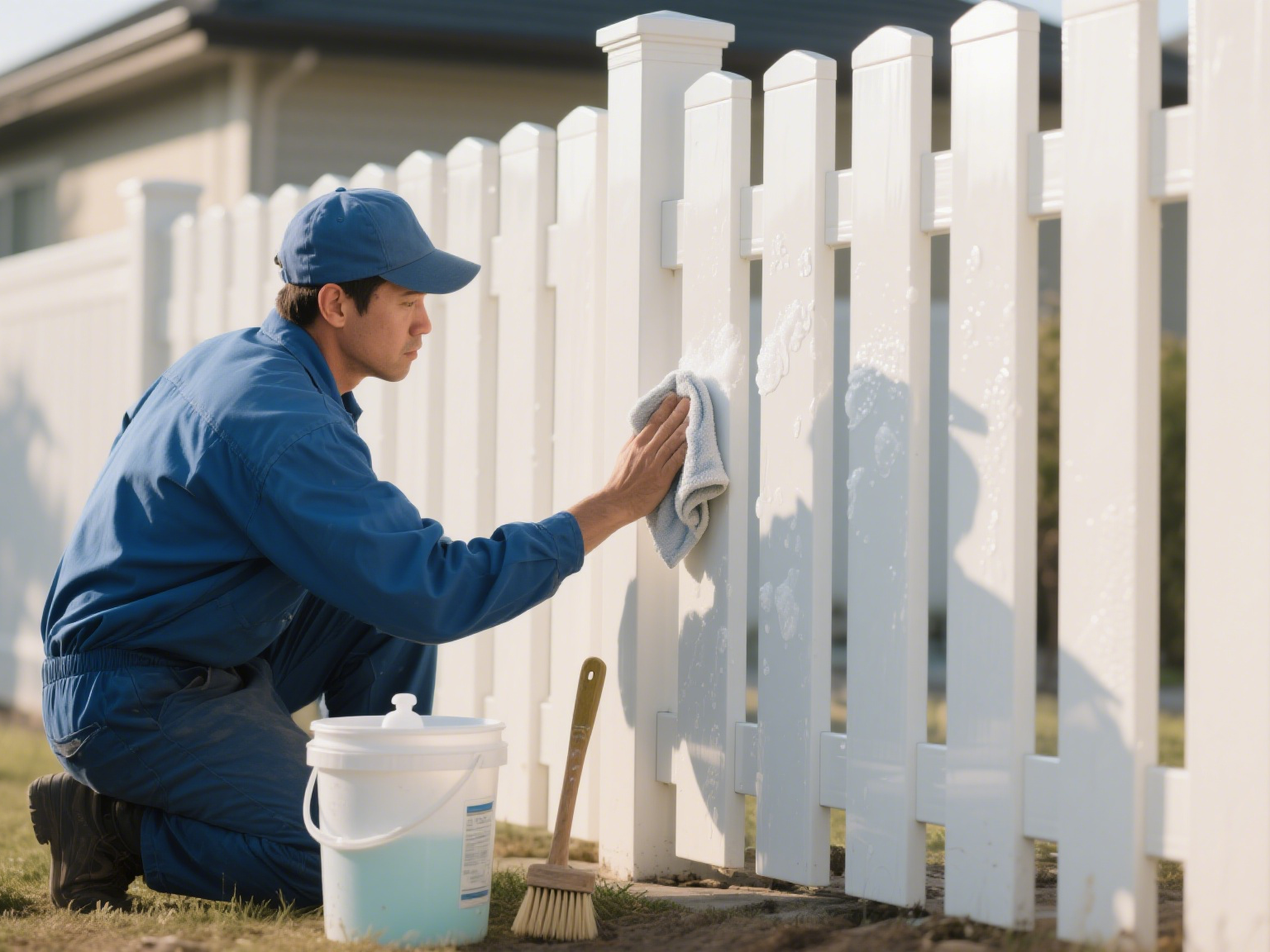
Gentle Cleaning: Regularly wipe the fence surface with mild soapy water and a soft cloth. Avoid using cleaning agents containing strong acids or alkalis, as these may chemically react with the PVC material, damaging the surface coating and causing discoloration or loss of luster. For stubborn stains, gently scrub with a soft-bristled brush first, then rinse thoroughly with clean water.
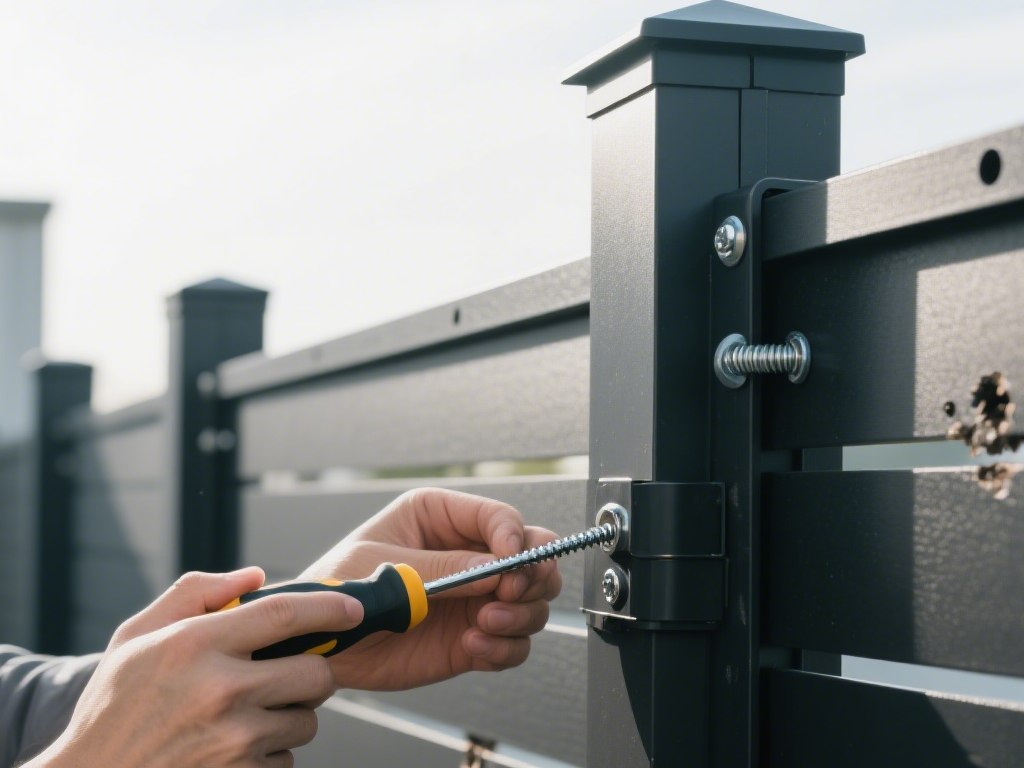
Inspection and Tightening: Periodically inspect the connections and support structures of the fence. Check for loose screws or signs of component deformation. Upon discovering any issues, promptly tighten the screws with a screwdriver and repair or replace deformed parts to maintain structural stability and ensure the fence’s safety.
Protective Coating Application: Apply a specialized protective agent to the PVC fence surface when appropriate. This protective layer acts like a suit of armor for the fence, enhancing its resistance to UV rays and reducing fading and aging caused by long-term sun exposure. It also provides some protection against common chemical substances, extending the fence’s service life.
Prevention of External Damage: Pay attention to the surrounding environment to avoid scratches from vegetation growth. Especially during tree pruning seasons, take preventive measures in advance to prevent falling branches from hitting the fence. When performing other outdoor work, maintain a safe distance from the fence to avoid irreparable damage from collisions with construction tools or materials.
II. Smart Usage to Maximize Efficiency
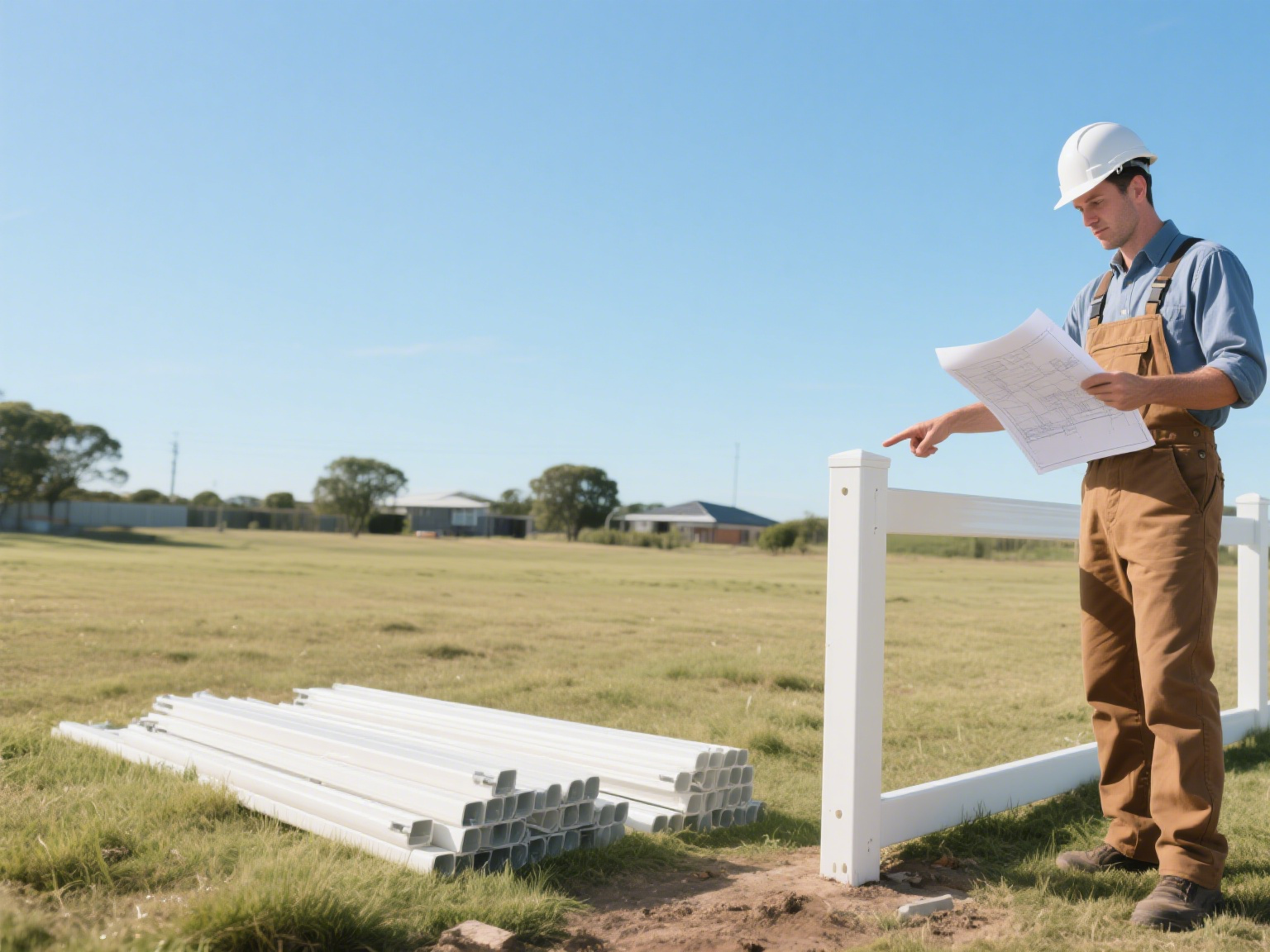
Rational Installation Location Selection: Before installing a PVC fence, fully consider the terrain and surrounding environment. Avoid installing it in low-lying areas with concentrated water flow, as long-term waterlogging may erode the fence base and affect its stability. Also, avoid windy locations prone to strong winds, which may cause the fence to shake or even collapse. Choosing a suitable installation location reduces future maintenance efforts and allows the fence to function better.
Avoid Overloading: Although PVC fences are relatively sturdy, they have a certain load-bearing limit. Avoid hanging heavy objects on the fence, such as drying thick clothing or suspending large decorations. Additionally, advise family members and others in the vicinity not to lean against the fence, as excessive load may cause deformation or breakage, reducing its protective performance.
Coping with Seasonal Changes: Before and after extreme weather events such as heavy rains, snowstorms, and strong winds, specially inspect the fence’s condition. After heavy rains, check for looseness or displacement caused by water erosion. After snowfall, promptly clear accumulated snow on the fence to prevent damage from its weight. After strong winds, carefully inspect the fence structure for damage. For minor damage, repair it promptly to ensure the fence remains in good condition at all times.
Scientific Planning of Fence Space: Leave a certain amount of redundant space inside and outside the fence. On the inner side, avoid planting plants with overly developed root systems to prevent root growth from damaging the fence foundation. On the outer side, maintain a clear space to reduce accidental collisions with external objects. This helps maintain the fence’s integrity and extends its service life.
III. Important Taboos for Fence Safety
Prohibition of Unauthorized Modifications: The design and structure of PVC fences are carefully considered. Arbitrarily cutting the fence or changing the installation angle may damage its overall structural stability and cause irreversible damage. If special requirements for the fence arise, consult a professional and make reasonable adjustments under their guidance.
Avoid Excessive Friction: When carrying out construction or other activities around the fence, pay special attention to safety. Avoid using sharp or hard objects that may rub against the fence surface, such as dragging metal tools or building materials beside the fence. Excessive friction may scratch the fence surface, damage its protective layer, and reduce its aesthetic appeal and durability.
Keep Away from High Temperatures: Never place hot objects on PVC fences, as PVC material is prone to softening and deformation in high-temperature environments. For example, do not directly contact the fence with a just-used barbecue grill or hot electrical equipment. Keeping the fence away from heat sources effectively prevents damage caused by high temperatures and maintains its good physical properties.
By maintaining the fence meticulously, using it smartly, and adhering to these taboos, we can keep PVC fences in excellent condition and looking brand new indefinitely, providing long-term reliable protection and decorative functions for our lives.