
In the realm of gardening decor, PVC flower stands have become a popular choice for many due to their lightweight design, durability, and water resistance. However, like a coin with two sides, while they offer convenience, they also come with some notable drawbacks. Understanding these limitations can help us make more rational choices and applications, ensuring that our gardening arrangements better suit our practical needs.
1. Inherent Shortcomings in Texture and Aesthetics
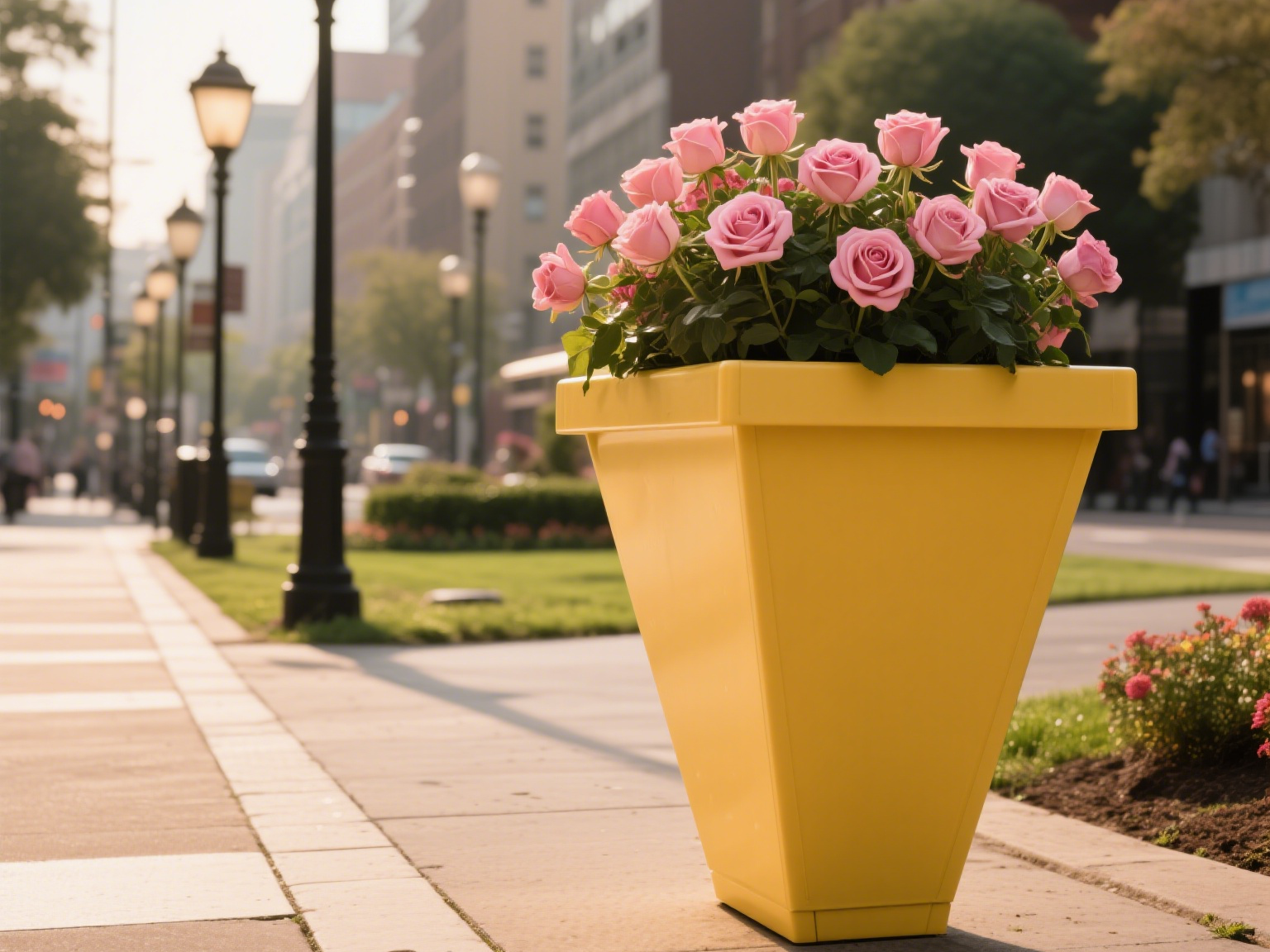
The core of PVC is plastic, a property that inherently limits its texture presentation. Despite modern techniques attempting to mimic wood grain or metallic finishes to enhance aesthetics, up close, the smoothness and mechanical patterns typical of plastic still cannot match the warm, natural textures of genuine materials. For example, in Japanese gardens pursuing “simplicity and naturalness” or classical European-style gardens, the plastic appearance of PVC flower stands may clash with the surroundings, creating a sense of dissonance. Additionally, while their color options cover basic tones, vibrant colors or special finishes (such as matte or aged effects) have poor durability. Prolonged exposure to sunlight can cause fading, turning a bright yellow flower stand into a dull, pale one and diminishing its overall visual appeal.
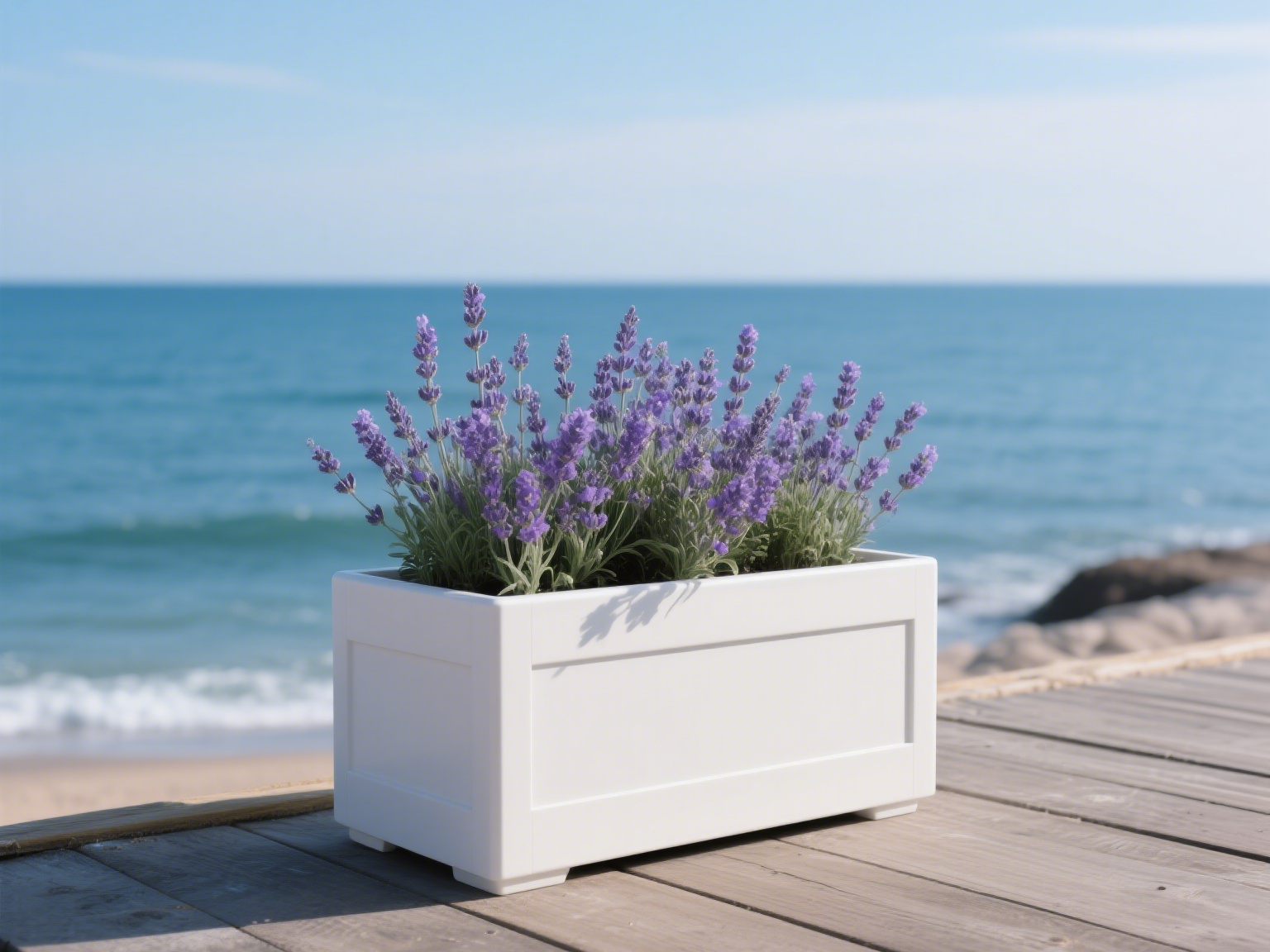
2. Limitations in Load-Bearing Capacity and Structural Stability
The lightweight advantage of PVC flower stands comes with a compromise in material strength. Compared to the rigidity of iron or the sturdiness of solid wood, PVC has significantly weaker load-bearing capacity. Small to medium-sized stands typically can only support 10-20 kilograms, making them unsuitable for large potted plants (such as fiddle-leaf figs or monsteras) or climbing plants (like ivy or climbing roses). Users have reported that placing three large succulent pots on a PVC stand caused obvious bending in the middle of the bracket. Moreover, most PVC stands rely on metal accessories like screws and corner brackets for assembly. Over time, friction between the plastic and metal parts can cause wear, leading to loose connections or even the risk of the stand “falling apart,” requiring regular inspections and reinforcement—a hidden maintenance cost.
3. Challenges in Heat Resistance and Service Life
PVC’s heat resistance is one of its main weaknesses. In high summer temperatures, outdoor stands exposed to direct sunlight can experience a sharp rise in surface temperature (exceeding 60°C), causing the material to soften. Some users have noticed that after a summer of sun exposure, the edges of the stand’s shelves became wavy and slightly emitted a plastic odor. Additionally, UV radiation accelerates PVC aging, causing the surface to gradually become brittle and crack. While high-quality products claim a lifespan of 5-10 years, in practice, outdoor stands often show significant fading and structural weakening after 3-5 years, whereas iron stands (with regular rust prevention) or anti-corrosion wood stands generally last longer.
4. Environmental Controversies and Health Risks
As a petrochemical product, PVC’s production and disposal are fraught with environmental concerns. The manufacturing process may release harmful gases like vinyl chloride monomers, and discarded PVC stands are not easily biodegradable. If they end up in landfills, they occupy space long-term; if incinerated, they may produce toxic substances like dioxins. Although some brands offer “recyclable” lines, recycling systems are still incomplete, and most end up in regular waste streams. Furthermore, poor-quality PVC stands may add plasticizers like phthalates to cut costs. These chemicals can leach into the soil over time, posing health risks if used to grow edible plants like vegetables or herbs—especially unsuitable for home vegetable gardens.
5. Lack of Flexibility in Installation and Modification
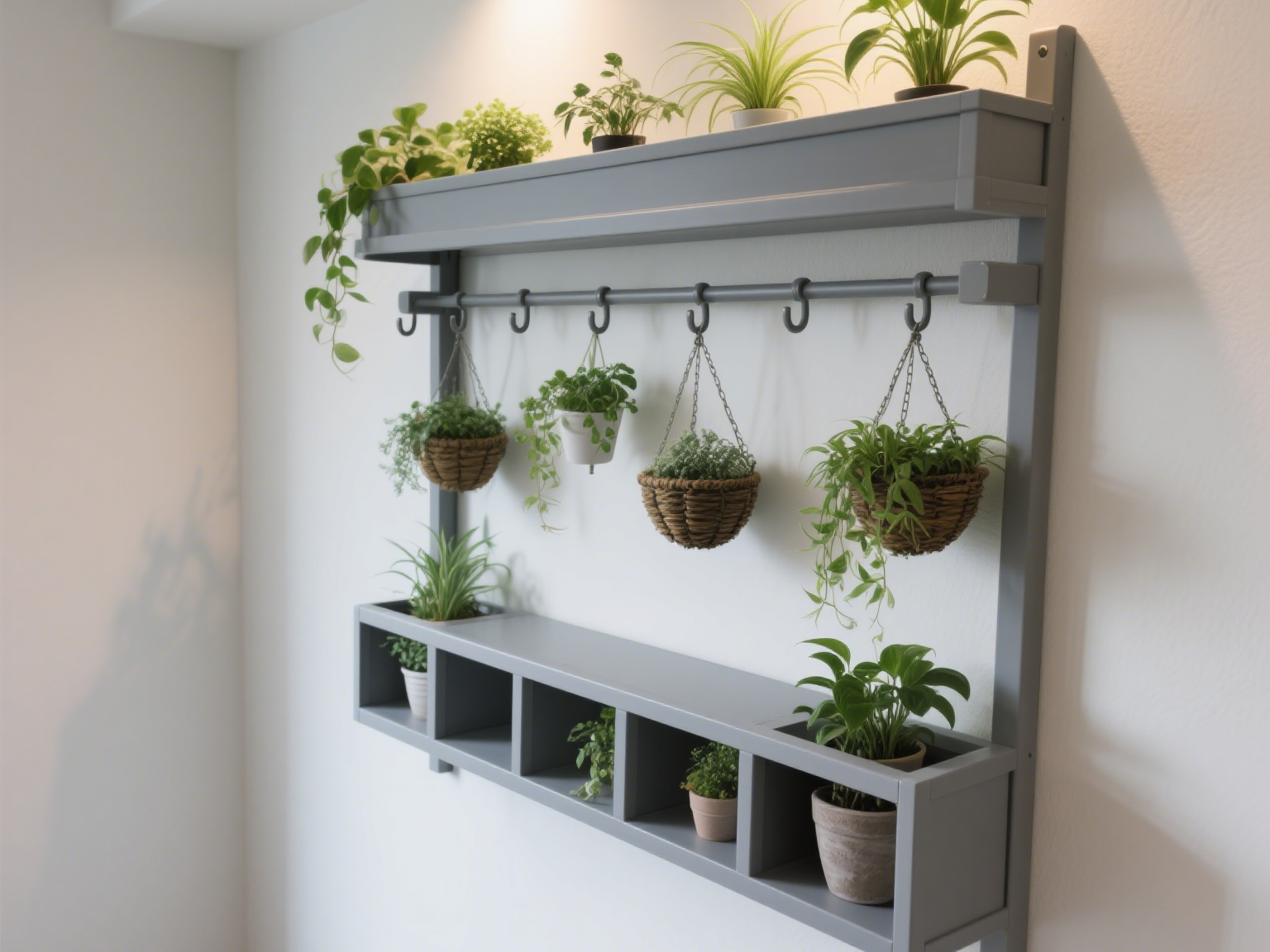
PVC flower stands rely on standardized accessories for assembly, which while convenient, limits customization. For example, adjusting shelf heights or adding brackets is difficult with traditional woodworking tools—forced modifications may result in rough cuts or cracks. DIY enthusiasts have attempted to repurpose PVC pipes into multi-tiered stands but found that inaccurate cutting severely compromised structural stability. Additionally, the quality of metal accessories affects usability: cheap screws rust and seize, making later maintenance difficult, while high-quality stainless steel parts significantly increase costs.
6. Applicability Challenges in Extreme Environments
PVC flower stands are sensitive to temperature changes. In northern regions with severe cold, when winter temperatures drop below -10°C, the material becomes brittle, prone to cracking when moved or touched. A user in northeastern China reported that when moving an outdoor stand indoors in winter, the bottom bracket suddenly broke, causing a potted plant to tip over. In areas with drastic temperature fluctuations (such as plateaus with large day-night differences), PVC’s thermal expansion and contraction are more pronounced, potentially leading to loose structures over time. For long-term use in extreme climates, aluminum alloy or cast iron stands are more reliable choices.
The drawbacks of PVC flower stands are not insurmountable; the key lies in “precisely matching needs.” For short-term balcony greenery setups in rented spaces, temporary landscape decorations for commercial events, or budget-friendly entry-level gardening projects, PVC flower stands still offer outstanding cost-effectiveness.