
In a bustling area of Berlin, Germany, there is a high-end pet boarding center. This modern pet care institution, covering an area of 1,100 square meters across three floors, specializes in providing high-quality boarding services for busy pet owners. However, as the boarding business has been booming, the problem with the center’s fences has gradually become apparent.
In the past, the pet boarding center used ordinary wooden fences and iron fences. But these fences were no match for the “enthusiastic attacks” of the pets. Lively golden retrievers would continuously scratch the wooden fences with their sharp claws, creating deep grooves on the fence surface within just a few months. Naughty little toy poodles liked to bite the iron fences, causing the paint to peel off and rust to form. What’s even worse is that the urine and vomit of the pets would seep into the gaps of the wooden fences, not only breeding bacteria but also emitting an unpleasant odor. Even with daily disinfection, it was difficult to thoroughly clean them.
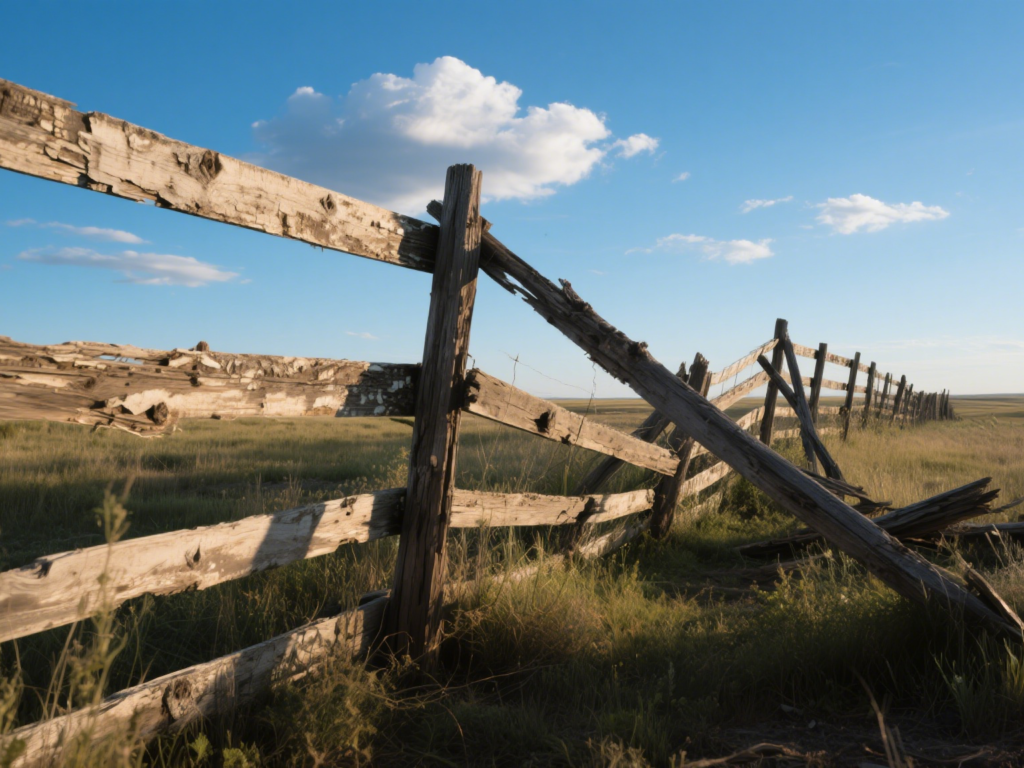
This situation has been a major headache for Andy, the person in charge of the boarding center. On one hand, the damaged fences pose a safety hazard. Several small dogs have escaped through the gaps in the fences, leading to customer complaints and even financial compensation. On the other hand, the frequent replacement of fences has continuously increased the cost, seriously affecting the operation efficiency of the center and also significantly increasing the maintenance cost. Andy realized that it was essential to find a new type of fence that could ensure the safety of the pets and was easy to maintain.
Andy began to conduct extensive searches online. She entered keywords such as “hundeaufenthaltszellen robustes zaunmaterial” (sturdy fence materials for dog kennels) and “katzenfreundliche zaune für tierpflegeservice” (cat-friendly fences for pet care services) in the German search engine and browsed the websites of dozens of suppliers. Among the numerous search results, she found our company’s official website, which stood out with its professional product introductions and rich industry cases. The site detailed how PVC fences offer superior durability compared to traditional materials, with a lifespan of up to 25 years even in demanding environments. They are also 100% recyclable, aligning with Germany’s strong commitment to environmental sustainability.
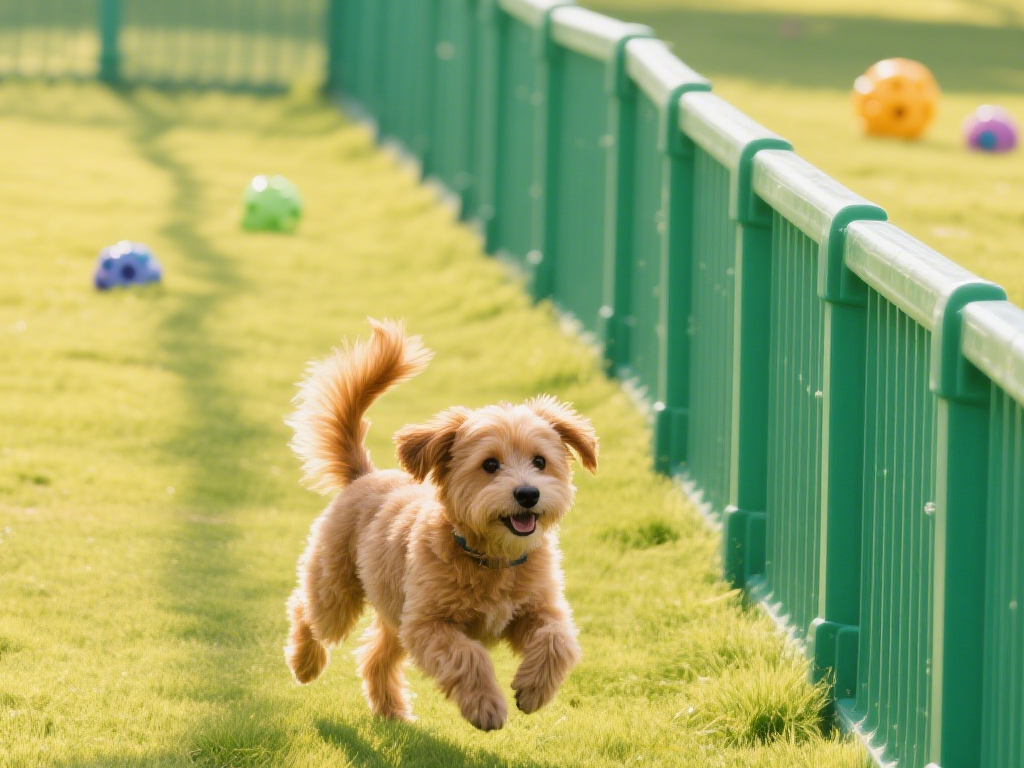
Through the online customer service function on the official website, Andy got in touch with us. She elaborated on the layout of the boarding center, the types and quantities of the pets being boarded, as well as the current problems. Based on this information, we recommended fence solutions suitable for different areas. In the dog kennel area, fences with a height of 1.2 meters and anti-climbing designs were used. In the cat activity area, transparent PVC panel fences were adopted, which not only ensured safety but also allowed the cats to observe the outside world without obstruction. We also emphasized that PVC fences are resistant to a wide range of chemicals, including common pet cleaning agents, preventing discoloration or degradation.
The two parties had multiple communications via emails and video conferences. Andy was particularly concerned about the safety of the fence materials and requested the German TÜV certification test reports. Not only did we promptly provide the relevant documents, but we also took the initiative to send her samples. The samples showcased additional advantages of PVC fences, such as their low thermal conductivity, which helps maintain a stable temperature inside the enclosures, and their noise – reducing properties, creating a more peaceful environment for the pets. After receiving the samples, Andy organized the staff to conduct a series of actual tests. They tested the bite strength with simulated pet teeth and simulated the corrosion environment with pet urine, and the results greatly satisfied her. The fences’ smooth, non – porous surface also made it impossible for bacteria to adhere, addressing the hygiene concerns.
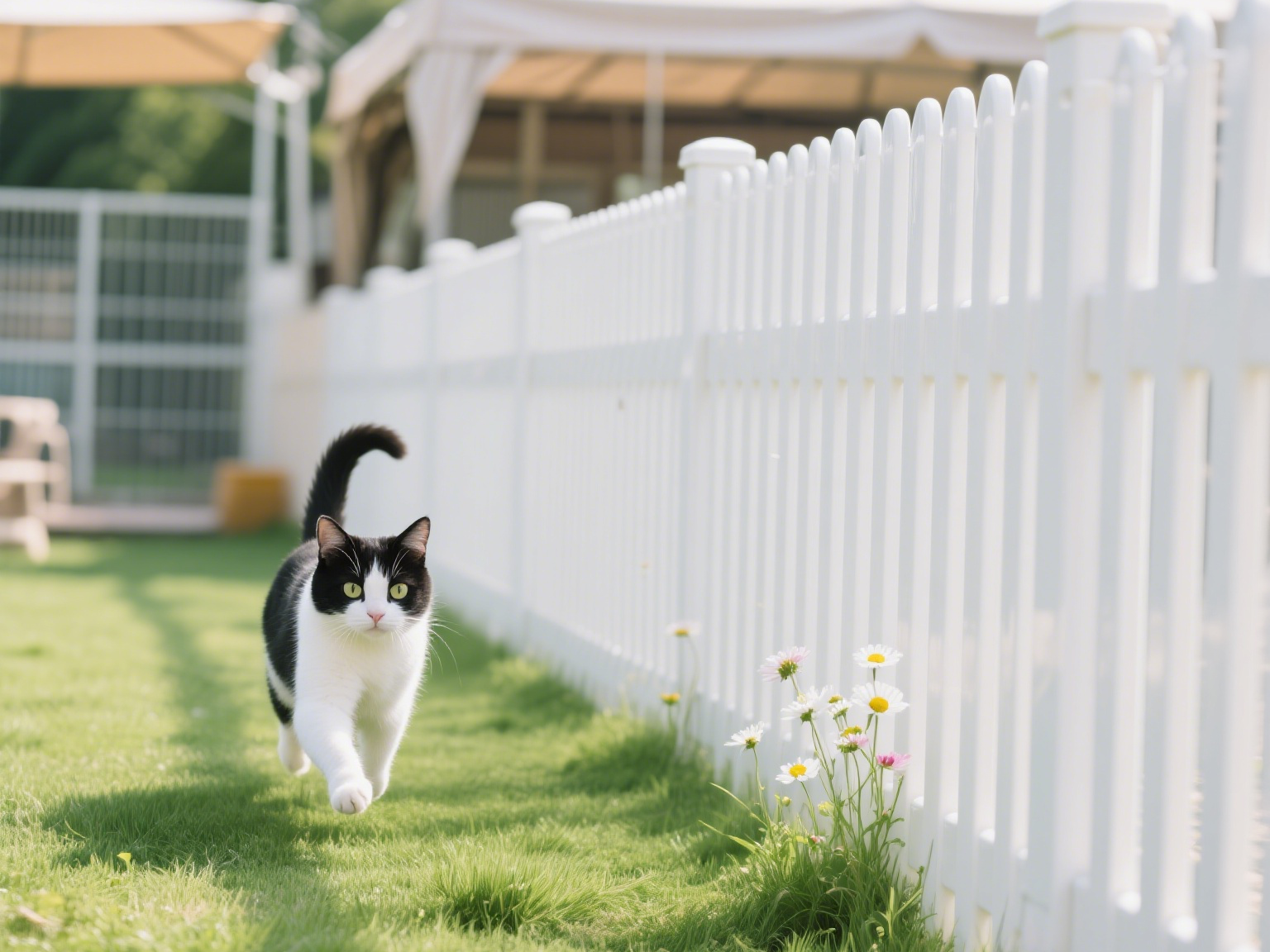
After three weeks of detailed negotiations, we customized a full set of fence plans according to the actual needs of the boarding center. Taking into account the strict building codes in Berlin, our design also specifically complies with the relevant requirements of the German Animal Welfare Act (Tierschutzgesetz). The PVC fences we proposed are easy to install with a modular system, reducing labor costs and installation time. They also require minimal maintenance – just an occasional wipe – down with a damp cloth to keep them looking new. Finally, Andy signed a contract with us and carefully agreed on the installation time and after-sales service terms.
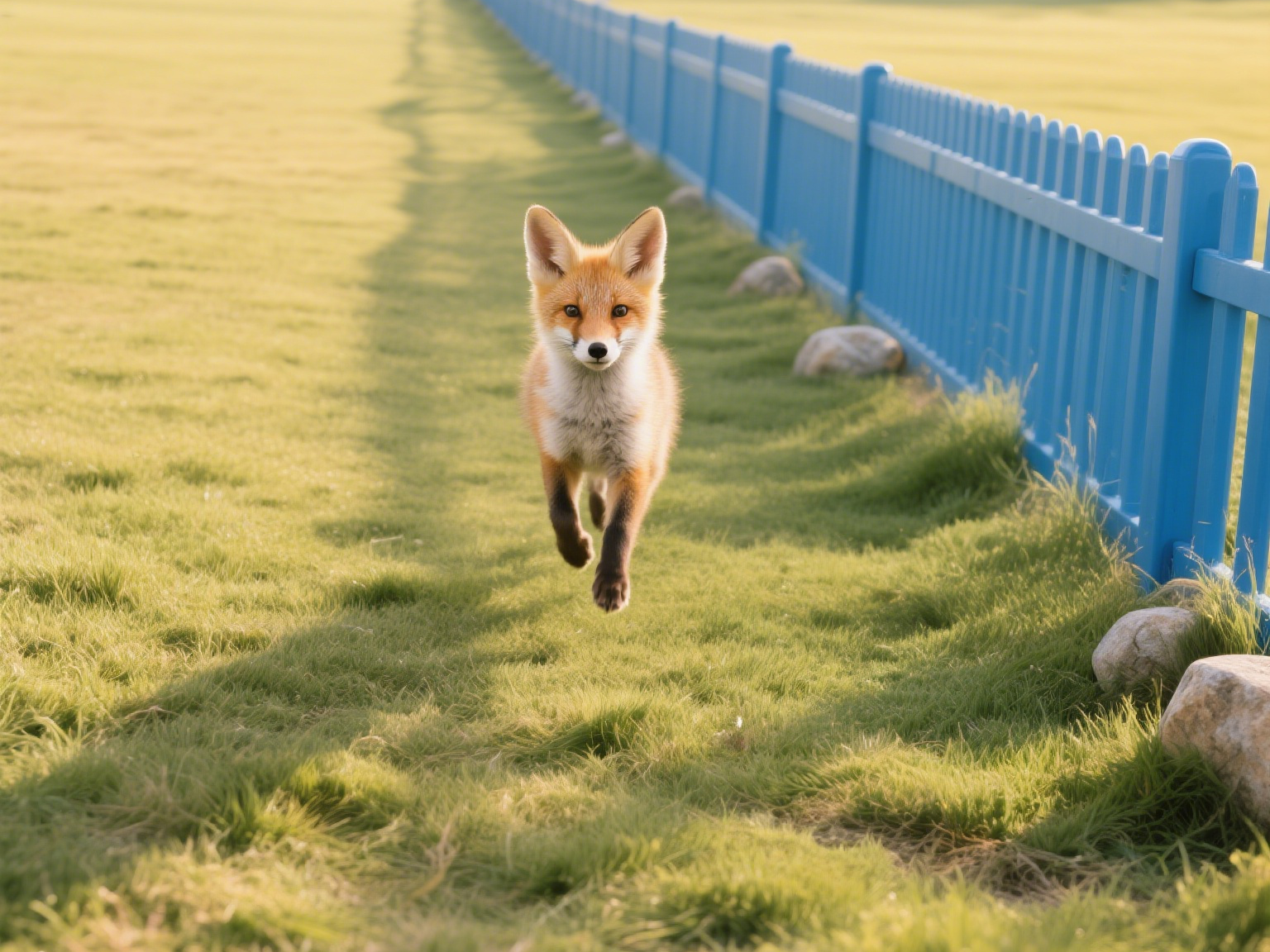
When the customized PVC fences arrived at the site, the professional installation team completed all the installation work in just 5 days. The new fences not only have a simple and beautiful appearance but, more importantly, completely relieve Andy of her worries. Now, even the naughtiest pets are unable to damage the fences, and the smooth surface makes the cleaning work easy and efficient. Andy happily said, “This PVC fence has completely transformed our way of working. The safety of the pets is comprehensively guaranteed, and customer satisfaction has been greatly improved. Many old customers have praised our facilities for being more professional and reliable!” With the spread of positive word-of-mouth, the business volume of “Paws Paradise” has increased by 40% compared to the same period last year, making it one of the most popular pet boarding institutions in Berlin.